Painting Production Line

- All
- Product Name
- Product Keyword
- Product Model
- Product Summary
- Product Description
- Multi Field Search


Views: 0 Author: Site Editor Publish Time: 2026-03-16 Origin: Site


Choosing the right coating equipment sets the foundation for high-quality, durable finishes and smooth production. Whether you’re running a small batch line or planning a full-scale coating production line, understanding how equipment impacts finish quality, efficiency, and compliance is essential. From powder application systems to curing ovens, every choice matters. In this guide, we’ll explore key factors, common pitfalls, and expert tips so you can confidently invest in powder coating equipment that boosts your workflow, reduces waste, and maximizes ROI.
Picking the right powder coating equipment isn’t just about buying a machine. It shapes the finish quality, durability, and consistency of every product you coat. A worn-out or low-quality system can cause uneven coverage, weak adhesion, or surface imperfections. They might look small at first, but these flaws add up fast, costing time and money. Equipment quality also directly affects operational efficiency. Reliable machines reduce downtime, speed up cycles, and make your workflow predictable. They handle complex parts more easily and prevent rework. In other words, good equipment keeps your line moving smoothly while poor choices slow everything down.
Environmental and regulatory compliance is another big factor. Modern powder coating systems are VOC-free and energy-efficient, which makes it easier to meet air quality standards. They also minimize waste through powder recovery systems. Choosing the wrong setup can put you at risk of fines or higher utility bills. Cost is more than the sticker price. A cheaper system may look attractive upfront, but it often costs more in the long run. Inefficient burners, frequent repairs, or unreliable components add hidden expenses. Investing a bit more initially can save thousands over the system’s lifetime.
| Factor | Why It Matters | Potential Impact |
|---|---|---|
| Finish Quality | Ensures even coating, adhesion | Reduces defects, rework |
| Operational Efficiency | Fast, reliable cycles | Higher throughput, lower downtime |
| Compliance | Meets VOC and energy standards | Avoids fines, reduces waste |
| Long-Term Cost | Durable, efficient equipment | Lower energy, maintenance, and repair costs |
It’s easy to see why equipment choice affects more than just daily operations. They influence product quality, production speed, environmental impact, and overall ROI. Selecting carefully means you get consistent results while protecting your business’s bottom line.
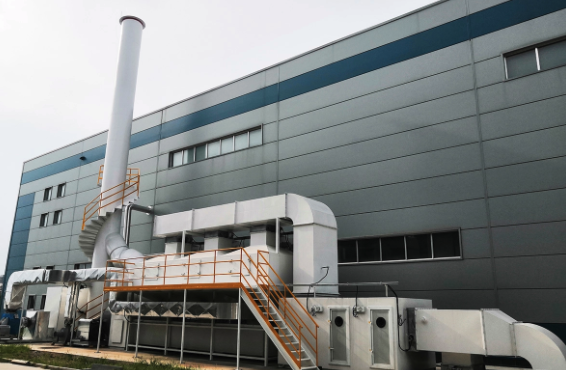
Powder coating isn’t just spraying color on a part. It’s a multi-step process that requires the right equipment at every stage. Choosing the wrong system can lead to uneven finishes, rework, and wasted materials.
Pretreatment prepares surfaces for powder to stick and last. Steps include:
Cleaning: Removes oils, dirt, or residues.
Chemical wash: Iron phosphate or other agents enhance adhesion.
Sandblasting: Opens surface profile for better coating grip.
Drying: Eliminates moisture before powder application.
Equipment choice matters here. Wash stations must match part size. Drying ovens should be fast and energy-efficient. Skipping proper pretreatment leads to peeling, flaking, or corrosion later.
This is the heart of coating. You can use:
Electrostatic spray guns – manual or automated. Electrostatic charge helps powder stick evenly.
Spray booths – contain overspray, improve safety, and recover powder.
Fluidized beds – dip parts for uniform thick coats, especially complex shapes.
Choosing the right system depends on part geometry, volume, and finish goals. Manual guns give flexibility for small batches, while automated systems suit high-volume production. Common mistakes include using small booths for large parts or mismatching gun type to part complexity.
Curing fuses powder into a strong, durable coating. Options include:
Batch ovens – flexible, good for varied parts.
Conveyor ovens – efficient for continuous, high-volume lines.
Infrared ovens – fast, energy-saving, ideal for thin coatings.
Equipment choice here affects finish uniformity, throughput, and energy use. Too small an oven slows production. Too large wastes energy and space.
| Stage | Equipment Options | Key Considerations | Common Mistakes |
|---|---|---|---|
| Pretreatment | Wash stations, sandblasters, dry-off ovens | Match part size, chemical compatibility | Skipping cleaning, improper drying |
| Powder Application | Electrostatic guns, spray booths, fluidized beds | Part shape, batch size, coverage | Wrong gun type, small booth, uneven powder |
| Curing | Batch ovens, conveyor ovens, infrared ovens | Part volume, energy efficiency, finish thickness | Undersized oven, inconsistent heat |
Every stage influences the next. If pretreatment is weak, powder sticks poorly. If application is uneven, curing won’t fix it. Integrated coating engineering ensures equipment, workflow, and operators work together. Using properly matched equipment across all stages not only improves product quality but also reduces waste, energy consumption, and maintenance costs. This approach aligns perfectly with environmental protection equipment and modern coating production line standards.
Buying powder coating equipment is more than picking a machine. It affects your workflow, finish quality, and long-term costs. Let’s break down the key points you should evaluate before making a decision.
Equipment must match your workload. Small batches or varied parts work best with manual or batch systems. High-volume, consistent runs benefit from automated conveyors or robotic sprayers. Choosing a system that’s too small slows production. Too large wastes energy and space.
Complex shapes need adjustable electrostatic guns or fluidized beds for uniform coverage. Simple parts can use standard guns. Mismatching equipment to geometry causes uneven coating, missed edges, or rework.
Consider film thickness, texture, and color control. High-end guns and programmable systems provide precision. Manual systems allow flexibility but require trained operators to maintain consistency. Poor finish control leads to customer complaints and wasted material.
Check your available footprint. Equipment requires room for the booth, curing oven, and operator movement. Don’t forget workflow: material handling, masking areas, and maintenance access. Crowded layouts reduce efficiency and increase risk of damage.
Upfront cost is important but secondary. Efficient, durable equipment saves money over time. Consider maintenance, downtime, energy use, and spare parts availability. Cheap machines often incur high operational costs. Investing slightly more upfront improves ROI significantly.
Modern powder coating systems are VOC-free, recover unused powder, and reduce energy consumption. Choose equipment that meets environmental regulations. It lowers costs and aligns with environmental protection equipment standards in your coating production line.
Reliable vendors provide spare parts, maintenance, technical support, and upgrade options. Test their response times and service reliability. Good support keeps your production line running smoothly and prevents costly downtime.
| Consideration | What to Check | Impact on Production |
|---|---|---|
| Production Volume | Batch size, frequency | Avoid bottlenecks, optimize throughput |
| Part Geometry | Shape, edges, complexity | Even coverage, reduce rework |
| Finish Quality | Thickness, texture, color | Customer satisfaction, material efficiency |
| Space | Booth, oven, operator movement | Safety, workflow, accessibility |
| Budget vs ROI | Initial cost, long-term maintenance | Reduce total operational costs |
| Energy & Compliance | VOC-free, powder recovery | Sustainability, lower utility costs |
| Vendor Support | Spare parts, tech support | Minimize downtime, maintain quality |
Considering these factors ensures equipment fits your operation and production goals. Integrated solutions from coating engineering or modular systems in integrated coating engineering make scaling easier. They also streamline workflow across your coating production line, improving consistency and efficiency.
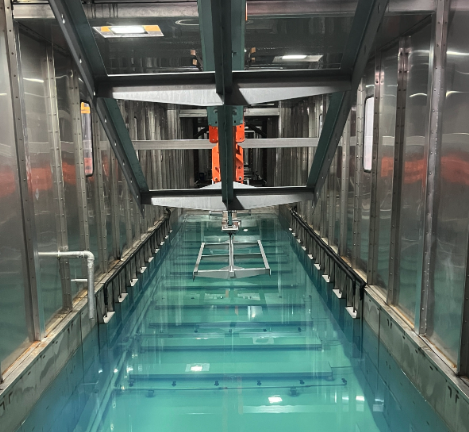
Even experienced manufacturers can make errors when choosing powder coating equipment. Avoiding these mistakes saves time, money, and reduces wasted material.
Pretreatment sets the stage for every coating. Skipping proper cleaning, chemical wash, or sandblasting can lead to poor adhesion, peeling, or corrosion. Always match pretreatment equipment to part size and type. Drying ovens should remove all moisture, or coating failures increase.
Complex parts need adjustable guns or fluidized beds. Using standard spray guns on intricate shapes causes uneven coverage, missed edges, and touch-ups. Always test your equipment on sample parts to ensure proper reach and coating uniformity.
Your production will grow. Choosing a system too small or rigid limits throughput. Modular designs, conveyor lines, or integrated coating engineering systems allow upgrades. They make scaling easier and prevent costly replacements later.
Manual systems use hand-held guns and are ideal for small batches or custom jobs, while automated systems rely on conveyors or robotic sprayers for high-volume, consistent production.
Select guns based on part geometry, size, and finish requirements. Adjustable electrostatic guns provide uniform coverage for complex shapes, while standard guns suit simple profiles.
Pretreatment ensures the powder adheres correctly. Skipping cleaning, chemical wash, or drying can cause peeling, corrosion, or uneven finishes.
Yes. Many manufacturers start with manual systems and scale up to automation as production grows. Modular equipment designs allow phased upgrades.
Use electrostatic guns with adjustable controls, maintain proper grounding, and calibrate regularly. Automated systems offer the most consistent results.
Investing in the right powder coating equipment doesn’t have to be overwhelming. By considering part size, geometry, desired finish, and energy efficiency, you ensure your line runs reliably while delivering consistent, high-quality results.
For manufacturers ready to upgrade or expand, Changzhou Anjia Coating Equipment Co., Ltd. offers tailored solutions and expert guidance. Explore their integrated coating engineering systems and see how modern, VOC-free, and energy-efficient equipment can transform your production workflow and long-term profitability.


